


Stress Management Yoga: Unlocking the Power of Yoga for Managing Stress
- toptiernursingserv
- Apr 7
- 3 min read
Stress can feel overwhelming. It creeps into our daily lives, affecting our mood, health, and overall well-being. I have found that practicing yoga offers a gentle yet powerful way to manage stress and regain balance. Yoga is more than just physical exercise - it is a holistic approach that nurtures the mind, body, and spirit. In this post, I will share how stress management yoga can transform your life, helping you disconnect from tension and reset your inner calm.
Why Stress Management Yoga Works
Stress management yoga combines mindful movement, breath control, and meditation. This trio works together to calm the nervous system and reduce the physical effects of stress. When you practice yoga, you activate the parasympathetic nervous system - the part responsible for rest and digestion. This activation lowers your heart rate and blood pressure, helping you feel more relaxed.
Yoga also encourages you to focus on the present moment. This mindfulness breaks the cycle of worry and rumination that often fuels stress. By tuning into your breath and body, you create a space of awareness and peace.
Some practical ways to start include:
Gentle stretching poses like Child’s Pose or Cat-Cow to release tension.
Breathwork exercises such as deep belly breathing or alternate nostril breathing.
Short meditation sessions focusing on breath or body sensations.
These simple practices can be done anywhere, anytime you feel stress creeping in.

How Does Yoga Improve Mental Health?
Yoga’s impact on mental health is profound. It helps regulate emotions and enhances resilience to stress. When I practice yoga regularly, I notice a clearer mind and a calmer emotional state. This happens because yoga influences brain chemistry, increasing levels of gamma-aminobutyric acid (GABA), a neurotransmitter that promotes relaxation.
Yoga also reduces cortisol, the stress hormone that can cause anxiety and depression when elevated. Lower cortisol levels mean less tension and a more balanced mood.
Moreover, yoga fosters self-compassion and acceptance. The practice encourages you to listen to your body without judgment, which can improve self-esteem and reduce negative self-talk.
Here are some mental health benefits you can expect from yoga:
Improved mood and reduced anxiety
Enhanced focus and concentration
Better sleep quality
Increased emotional regulation
Incorporating yoga into your routine can be a powerful tool for mental wellness.
Physical Benefits of Yoga for Stress Relief
Stress often manifests physically as muscle tightness, headaches, or fatigue. Yoga addresses these symptoms by promoting relaxation and improving circulation. The gentle stretching and strengthening movements release built-up tension in muscles, especially in the neck, shoulders, and back.
Yoga also encourages better posture, which can reduce physical strain and discomfort. When your body feels comfortable and aligned, stress has less of a hold on you.
Additionally, yoga supports the immune system. Chronic stress weakens immunity, but regular yoga practice can boost your body’s defenses, helping you stay healthy.
Try these yoga poses to relieve physical stress:
Downward Dog - stretches the spine and shoulders.
Legs-Up-The-Wall - promotes circulation and relaxation.
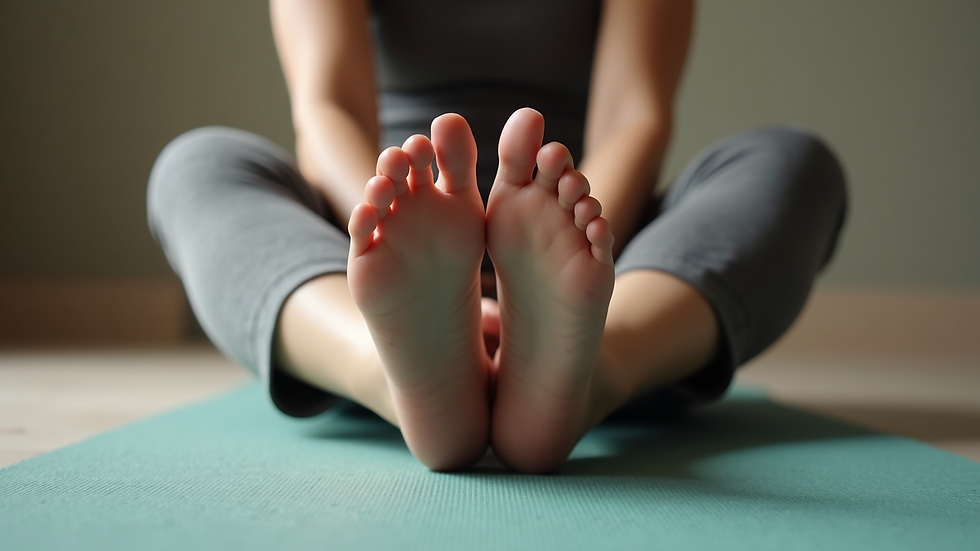
Seated Forward Bend - calms the nervous system and stretches the back.
Creating a Stress Management Yoga Routine
Building a consistent yoga practice tailored to stress relief is key. Start with short sessions of 10-15 minutes and gradually increase as you feel comfortable. Consistency matters more than intensity.
Here’s a simple routine to get started:
Begin with 5 minutes of deep breathing to center yourself.
Move through 3-4 gentle poses focusing on areas where you hold tension.
End with 5 minutes of guided meditation or savasana (corpse pose) to relax fully.
You can practice at home, outdoors, or join a class. Many apps and online videos offer beginner-friendly stress management yoga sessions.
Remember to listen to your body and avoid pushing into pain. Yoga is about ease and acceptance, not perfection.
Embracing the Benefits of Yoga for Stress in Daily Life
The benefits of yoga for stress extend beyond the mat. As you cultivate mindfulness and relaxation through yoga, you start to respond to stressors with greater calm and clarity. This shift can improve your relationships, work performance, and overall quality of life.
Incorporating yoga into your daily routine helps you build resilience. You learn to recognize early signs of stress and use your breath and movement to reset before tension escalates.
If you seek a deeper transformation, consider joining a wellness retreat focused on stress management yoga. These immersive experiences provide dedicated time and space to disconnect from daily pressures and reconnect with your inner peace.
Stress management yoga offers a path to healing and renewal. By embracing this practice, you gift yourself the tools to navigate life’s challenges with grace and strength. Start small, stay consistent, and watch how yoga transforms your stress into serenity.


Comments